- y=sin(x)
- E(7,16)
- tan(x)
- 2^(n/12)
- |sin(x)|
- sin(wt+I sin wt)
- (1+sqrt5)/2
- 2^(k+t)
- x mod 7
- 1/7=0.142857
- dx/dt=10(y-x)
- 3.14159
- e^(-x) sin x
- sin t sin(1.01t)
- 3:4:5
- B3/S23
- sin(x^2)
- f'=fc/(c-v)
- z->z^2+c
- 2,3,5,7,11,13
- sin wt+sin(3wt)/3+...
- e^(ix)
- x->1-1.4x^2+y
- x->3.83x(1-x)
- y(n)=avg y[n-N]
- rule 30
- t^(t>>7)
- 2^n
- x=sin 3t,y=sin 2t
- t>>12
- 1/x
- x->4x(1-x)
- sin(2pi f t)
- sin(x)/x
- n->3n+1
Every equation has a sound.
Tap one.
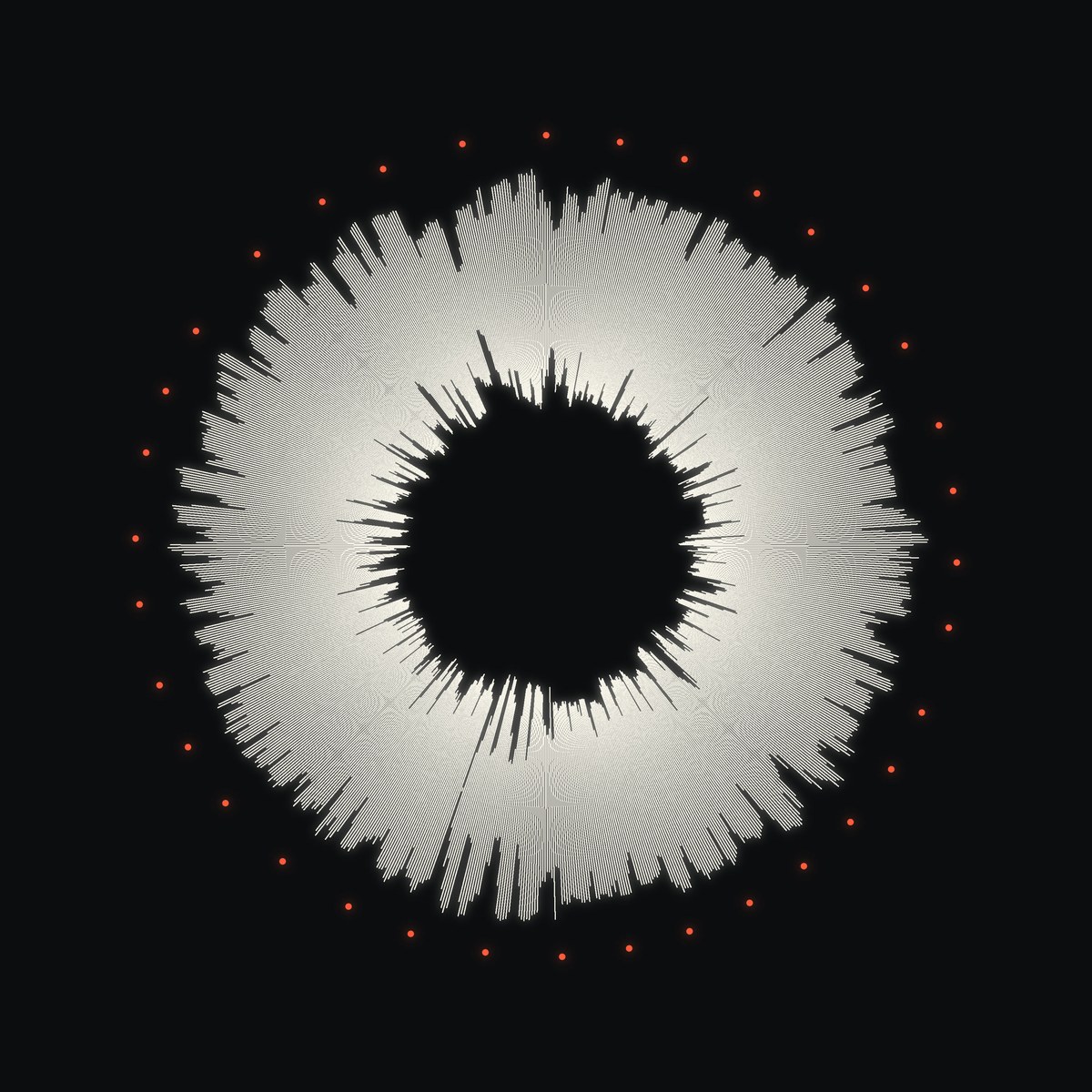
The first album.
f(t)
35 equations, 82 minutes. Every sound in it is calculated: no recordings, no samples.
35 tracks, 35 plots
Open the library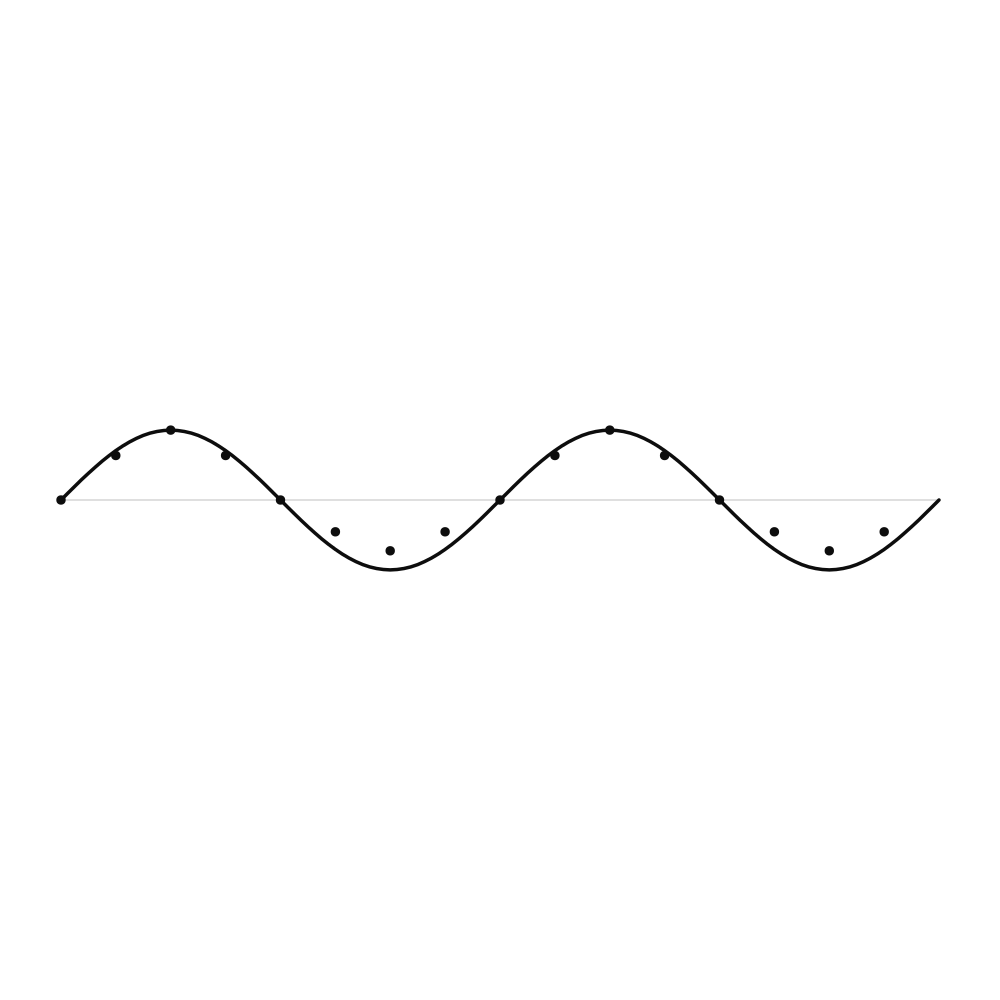 y=sin(x)
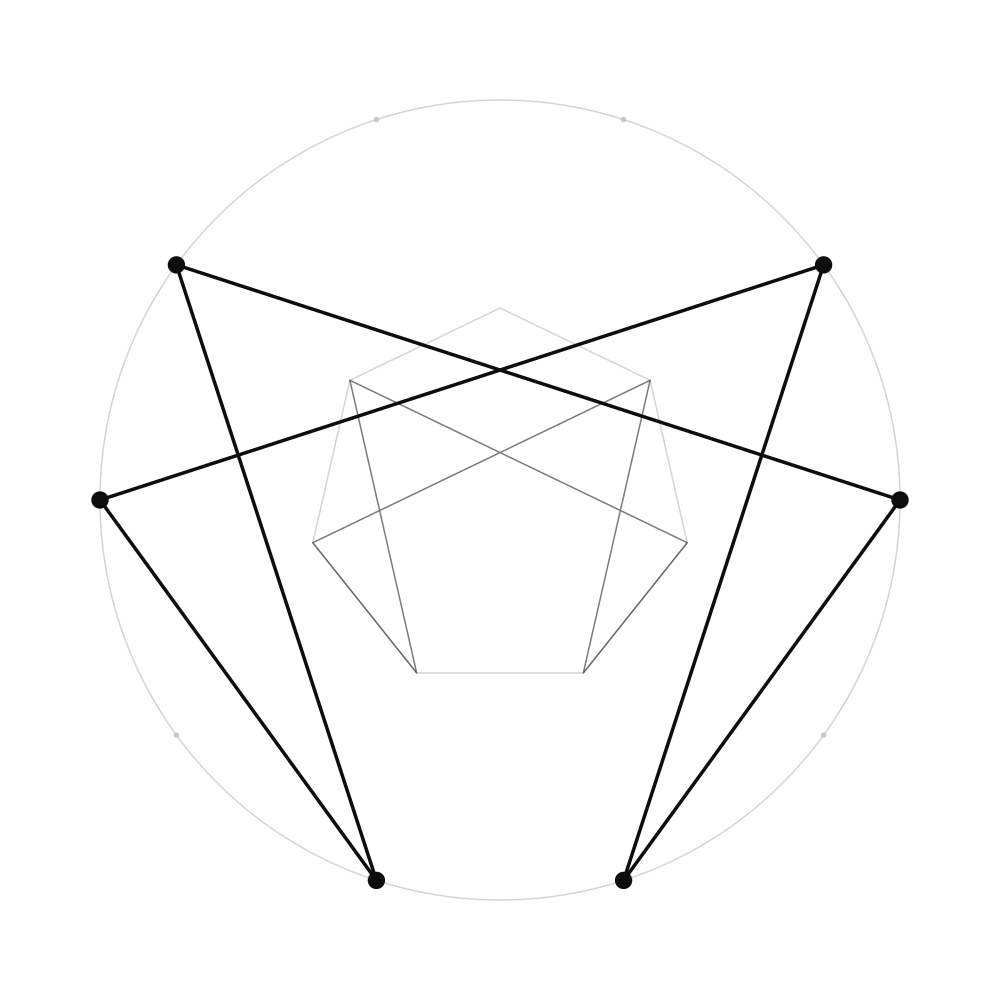
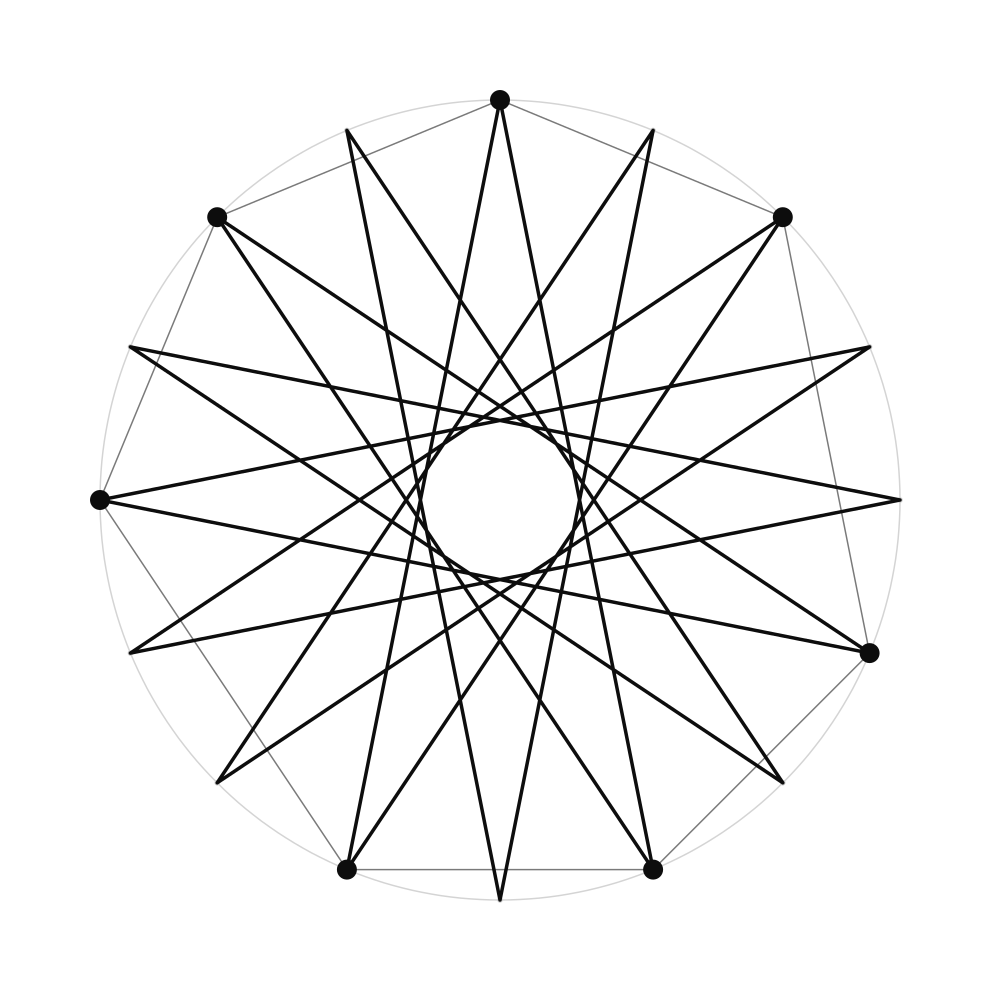 E(7,16)
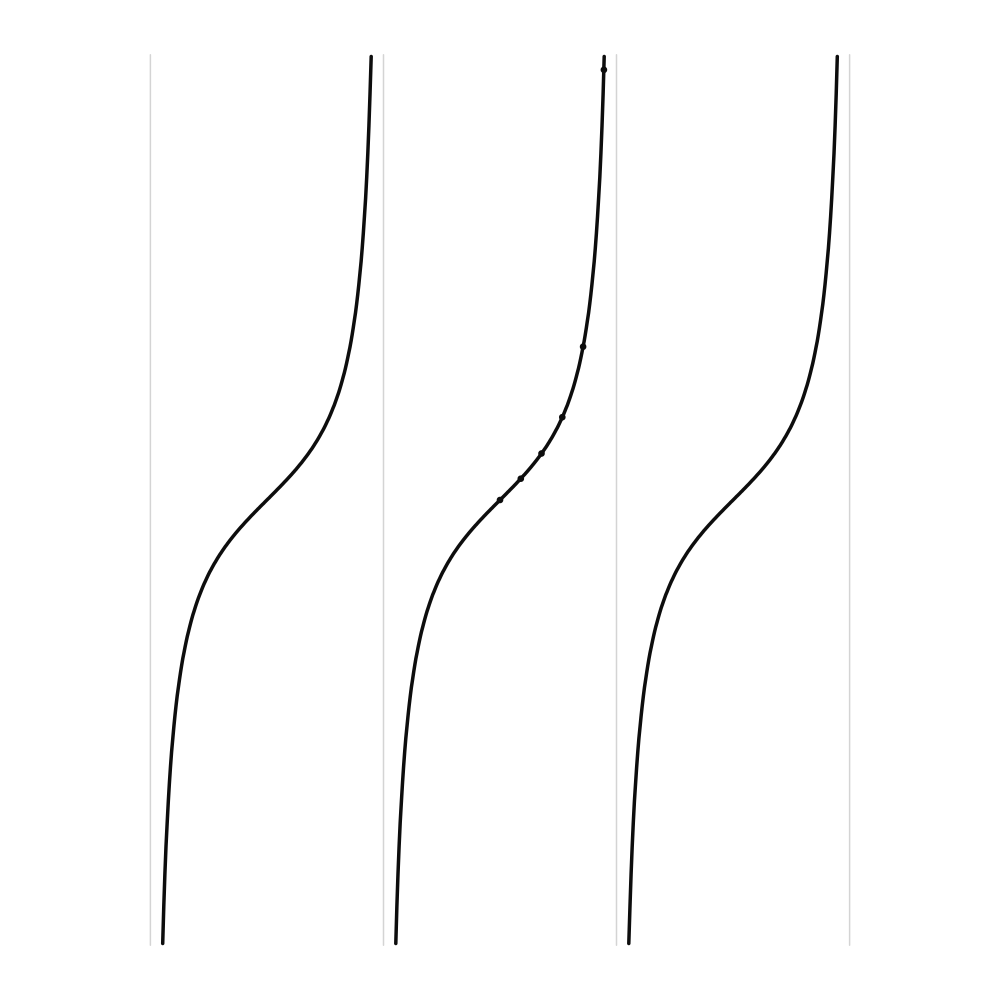 tan(x)
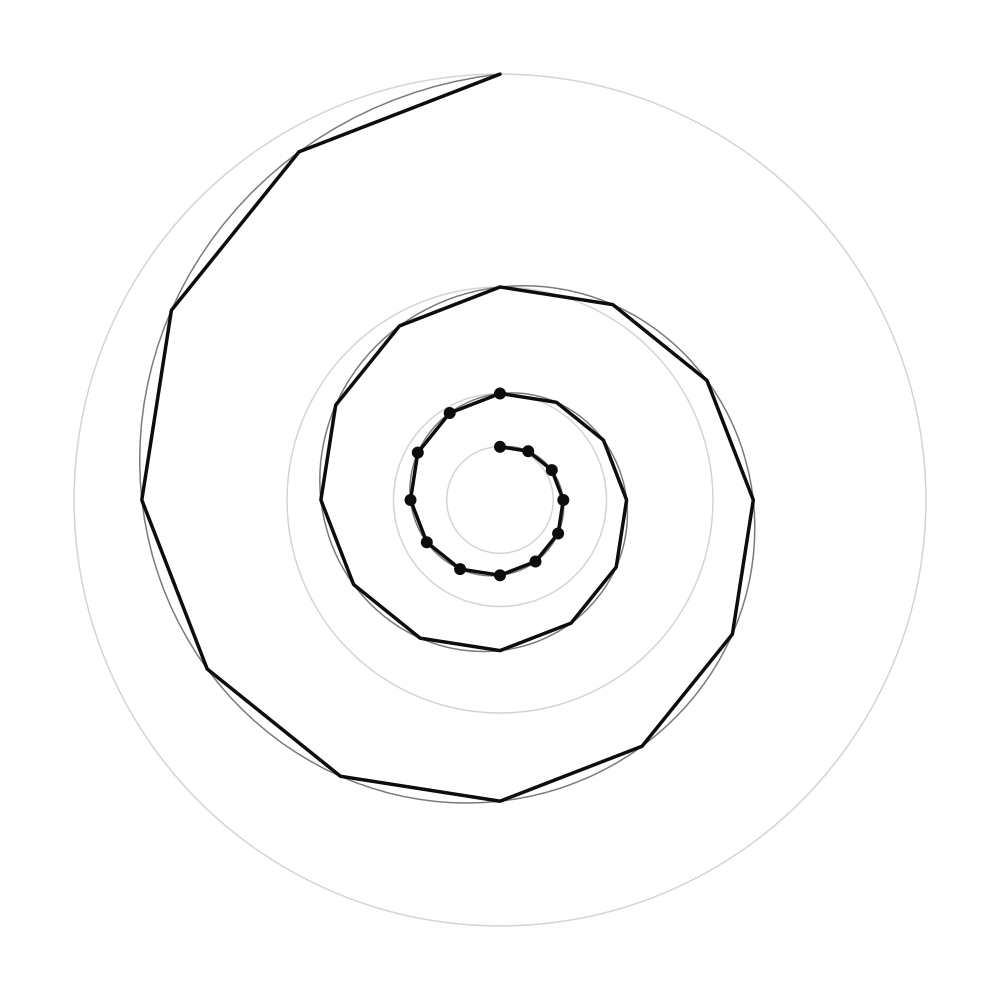 2^(n/12)
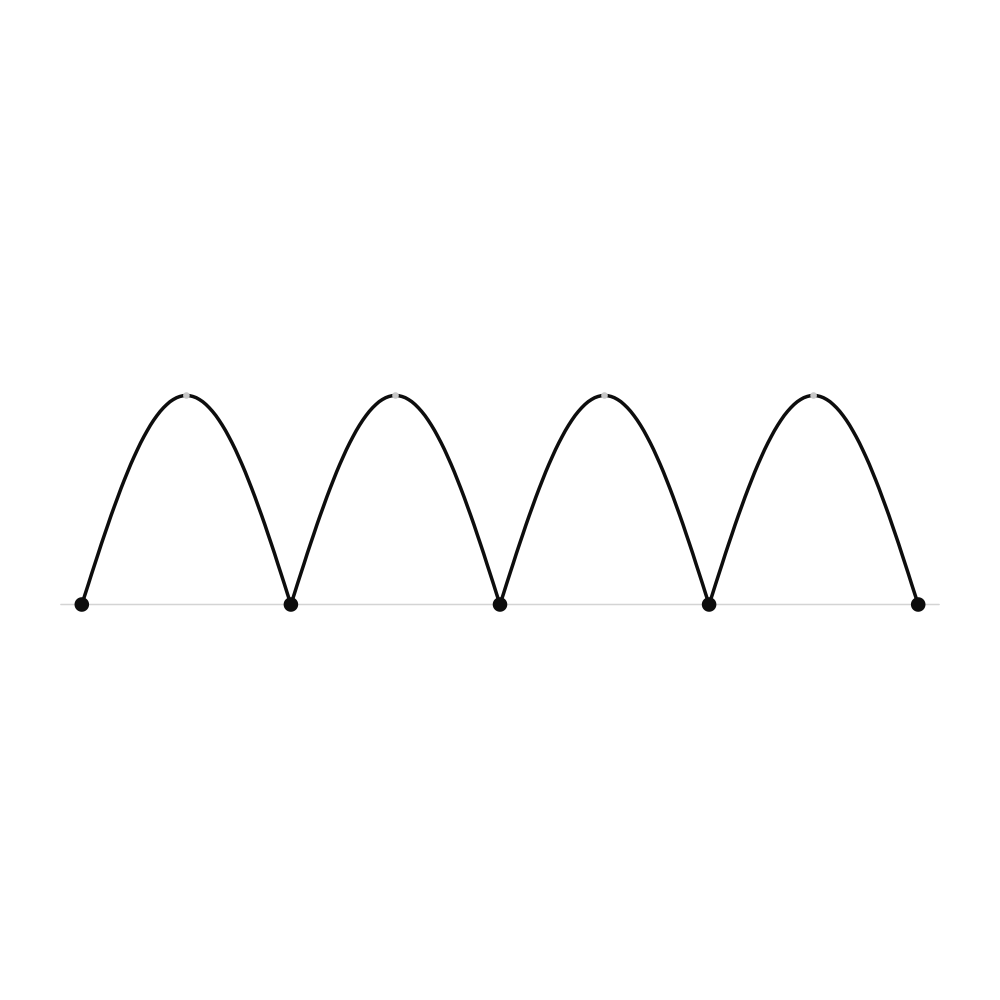 |sin(x)|
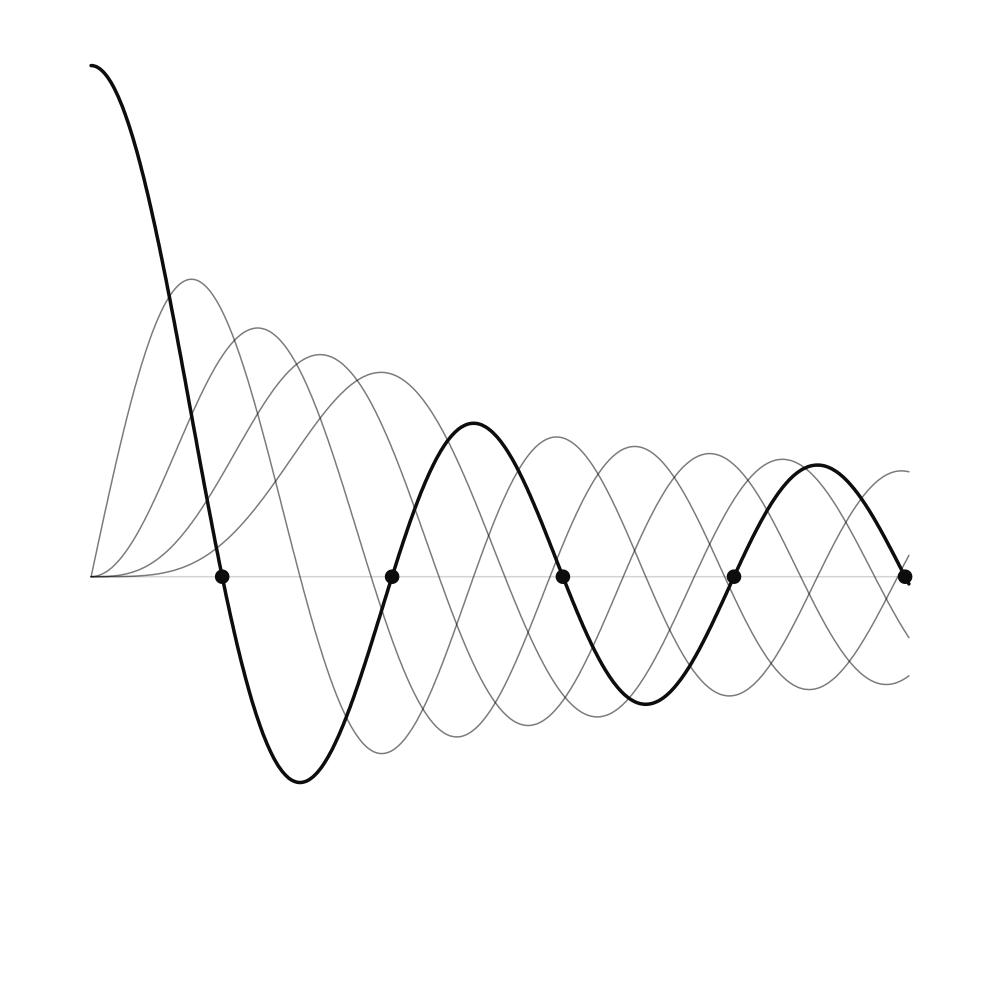 sin(wt+I sin wt)
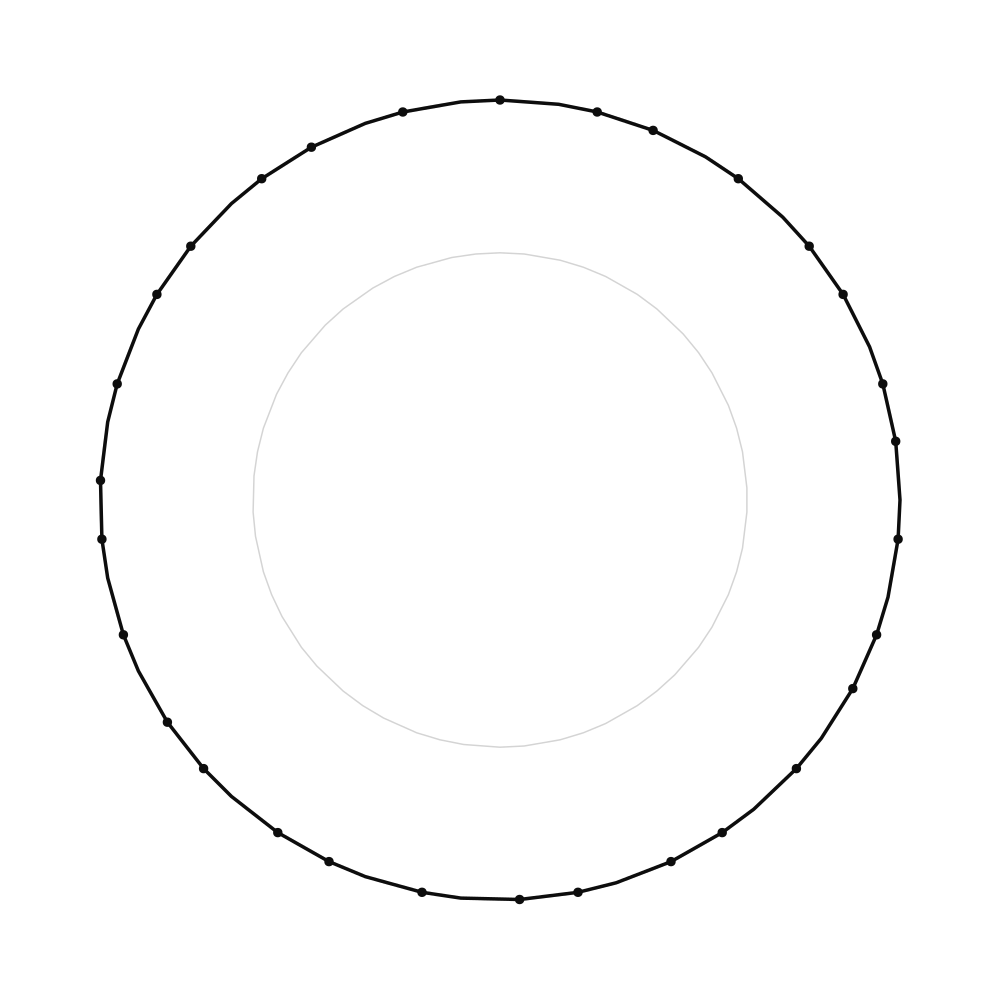 (1+sqrt5)/2
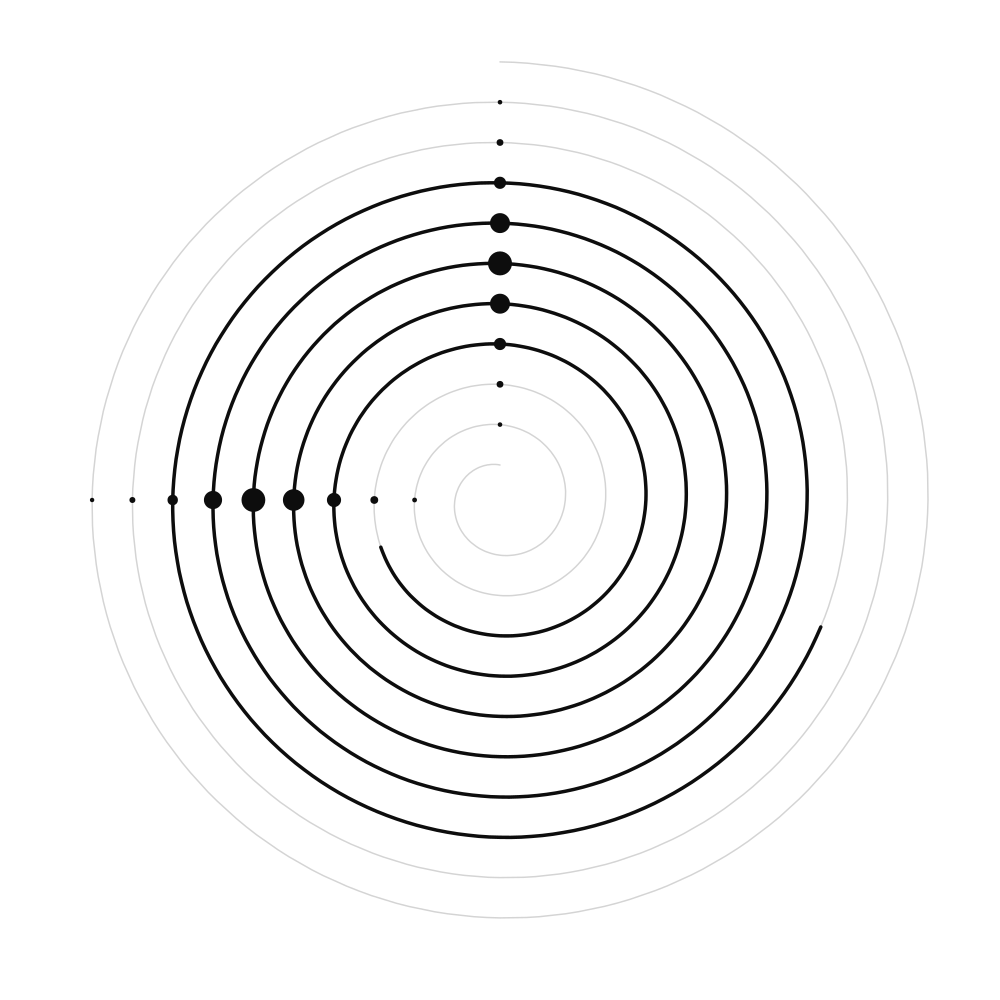 2^(k+t)
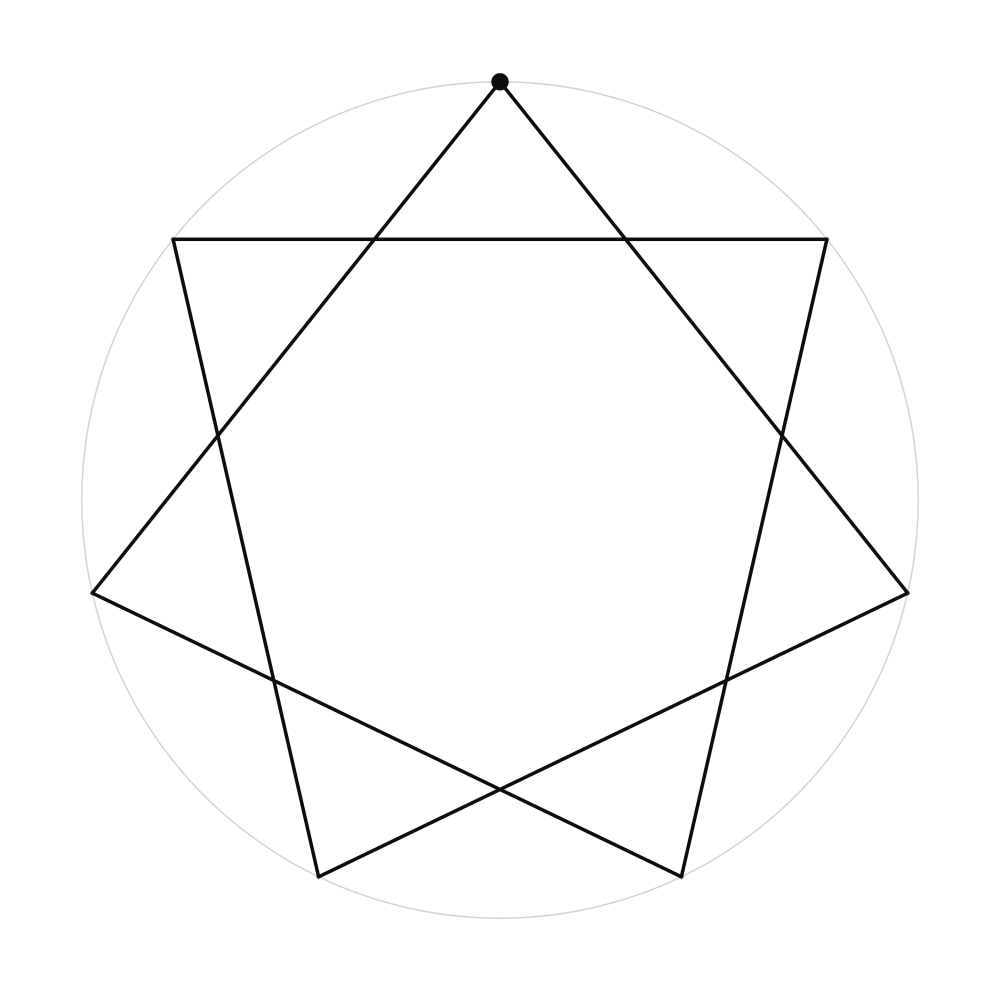 x mod 7
 1/7=0.142857
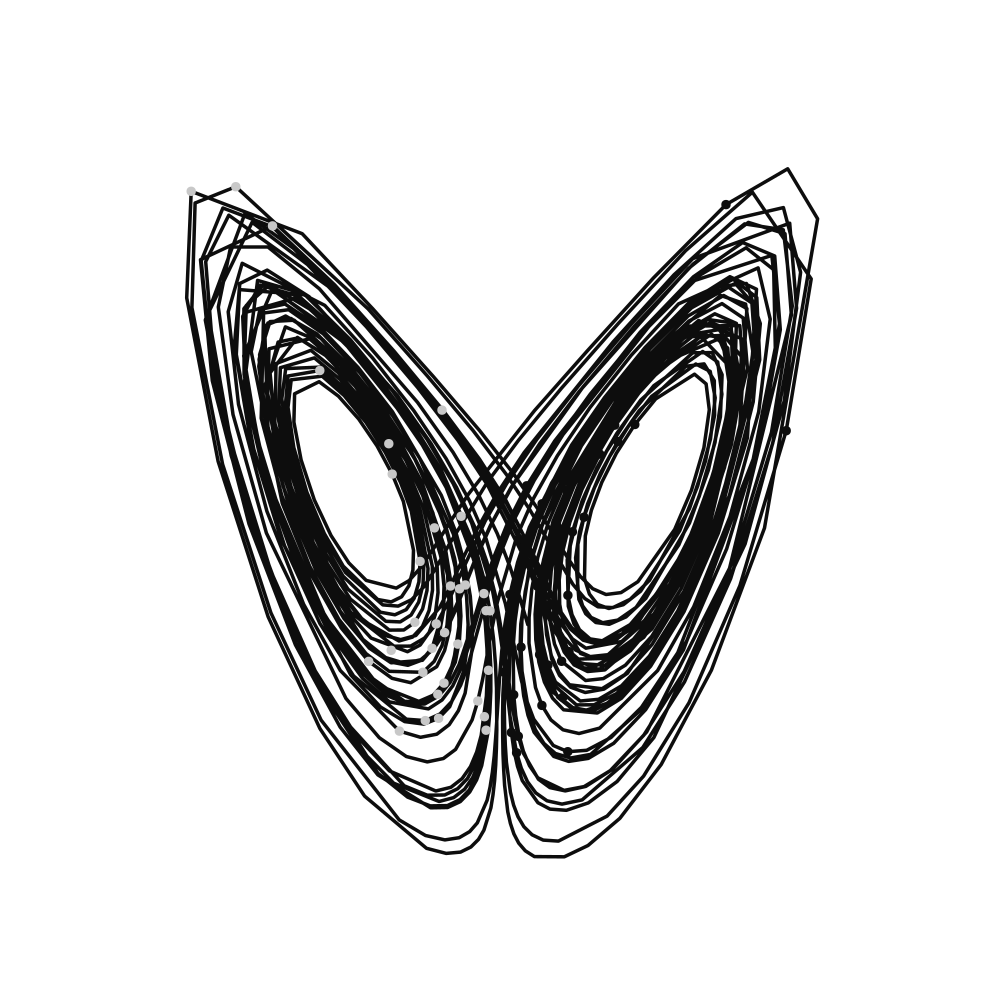 dx/dt=10(y-x)
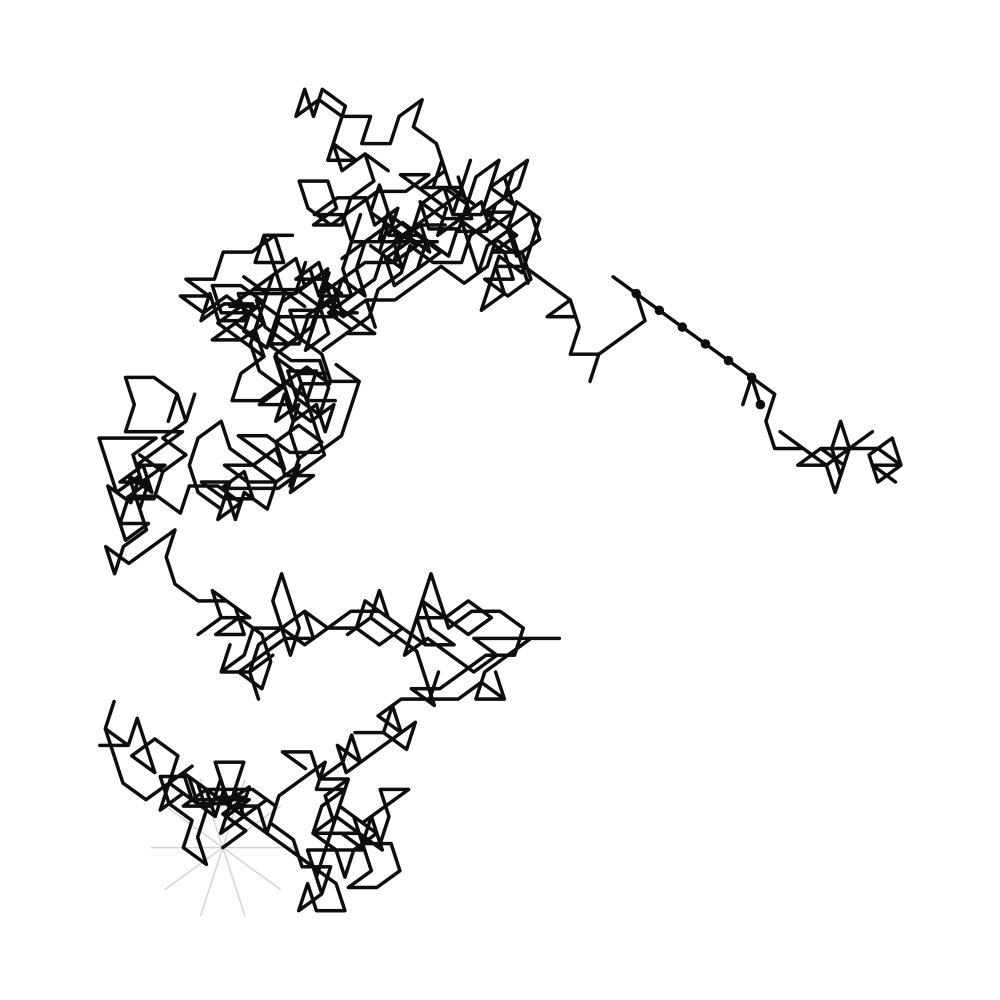 3.14159
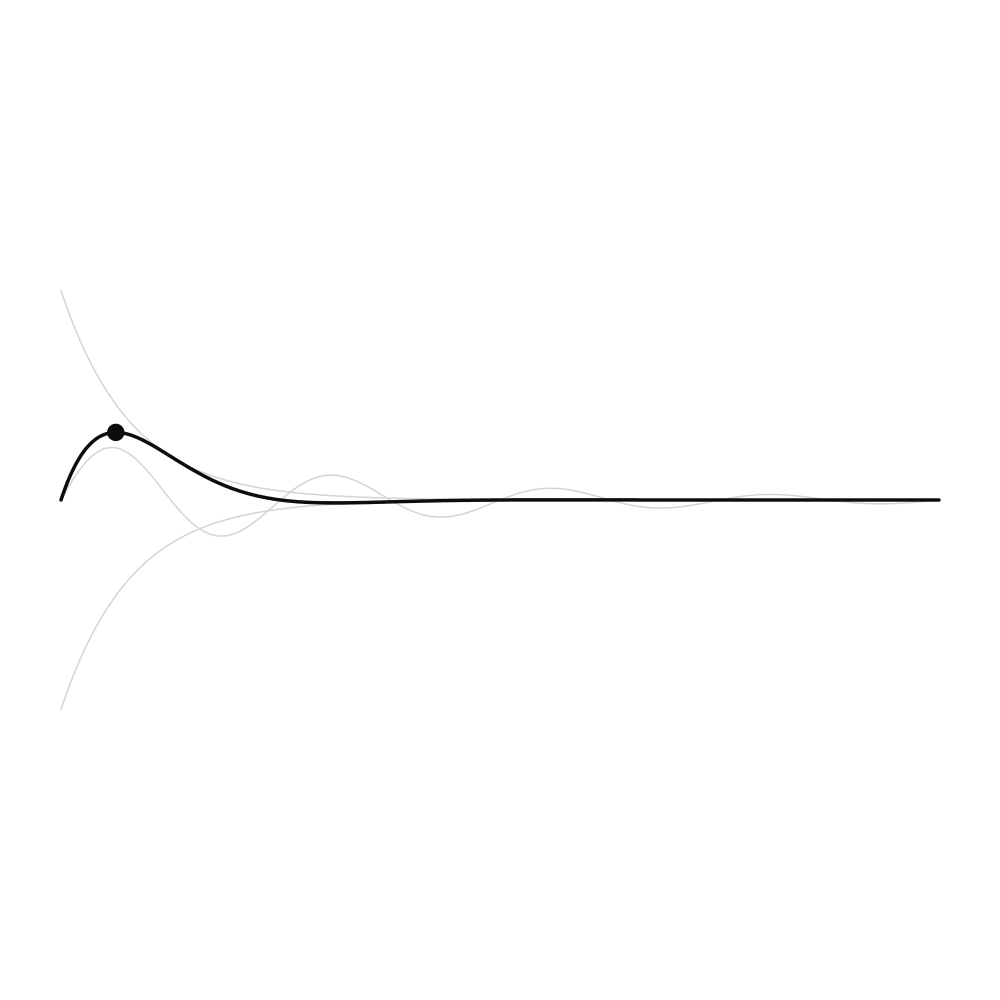 e^(-x) sin x
 sin t sin(1.01t)
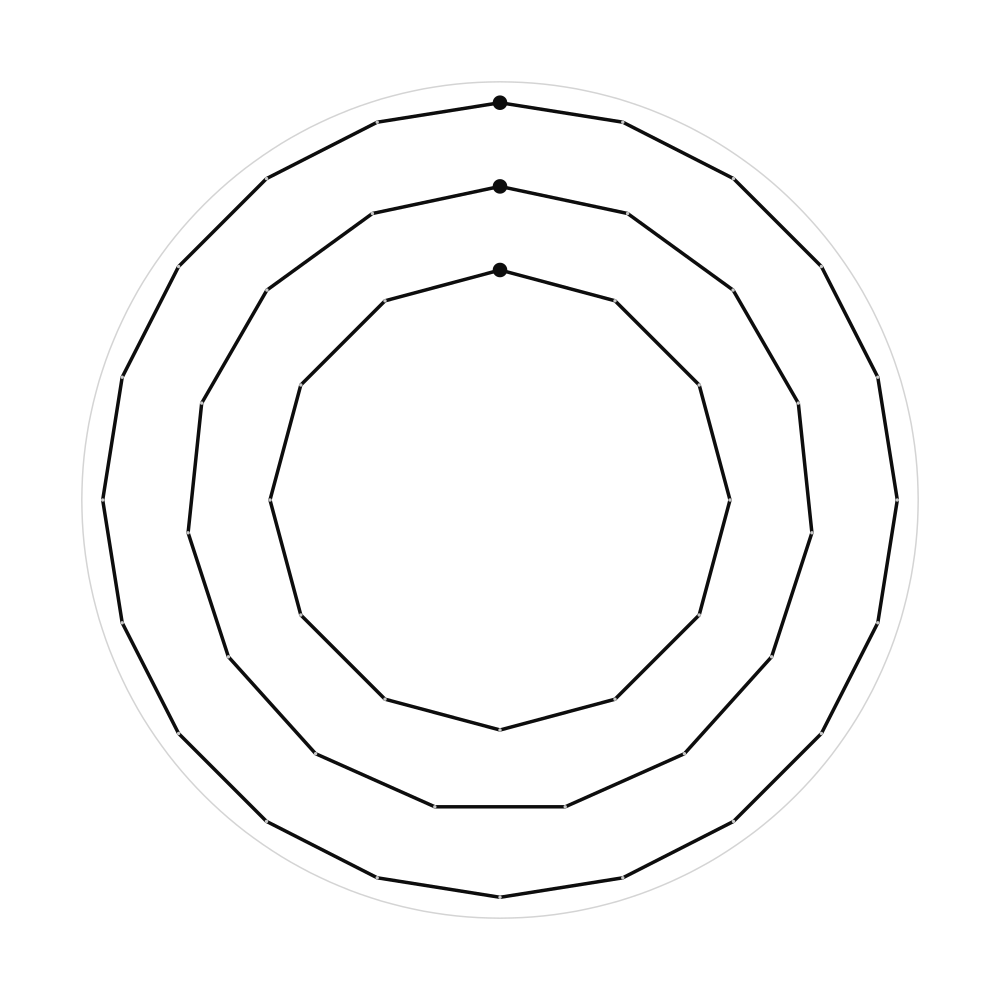 3:4:5
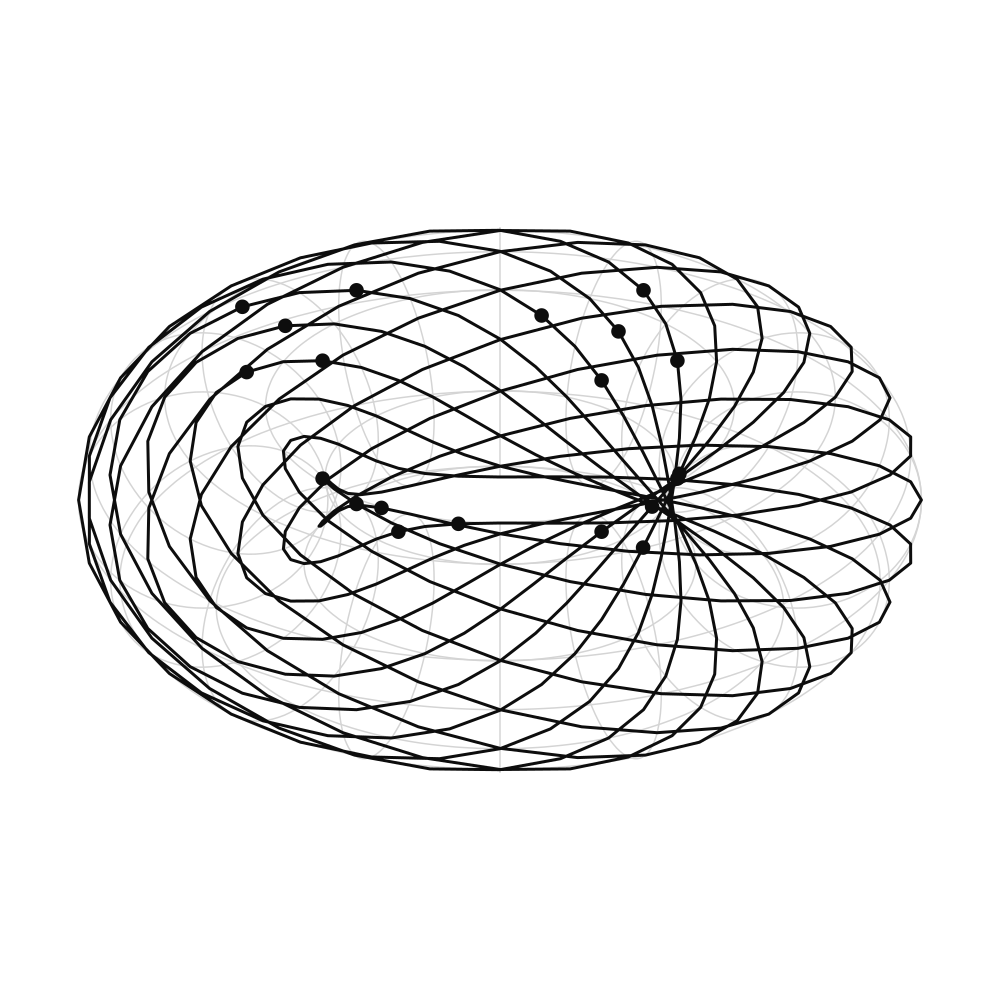 B3/S23
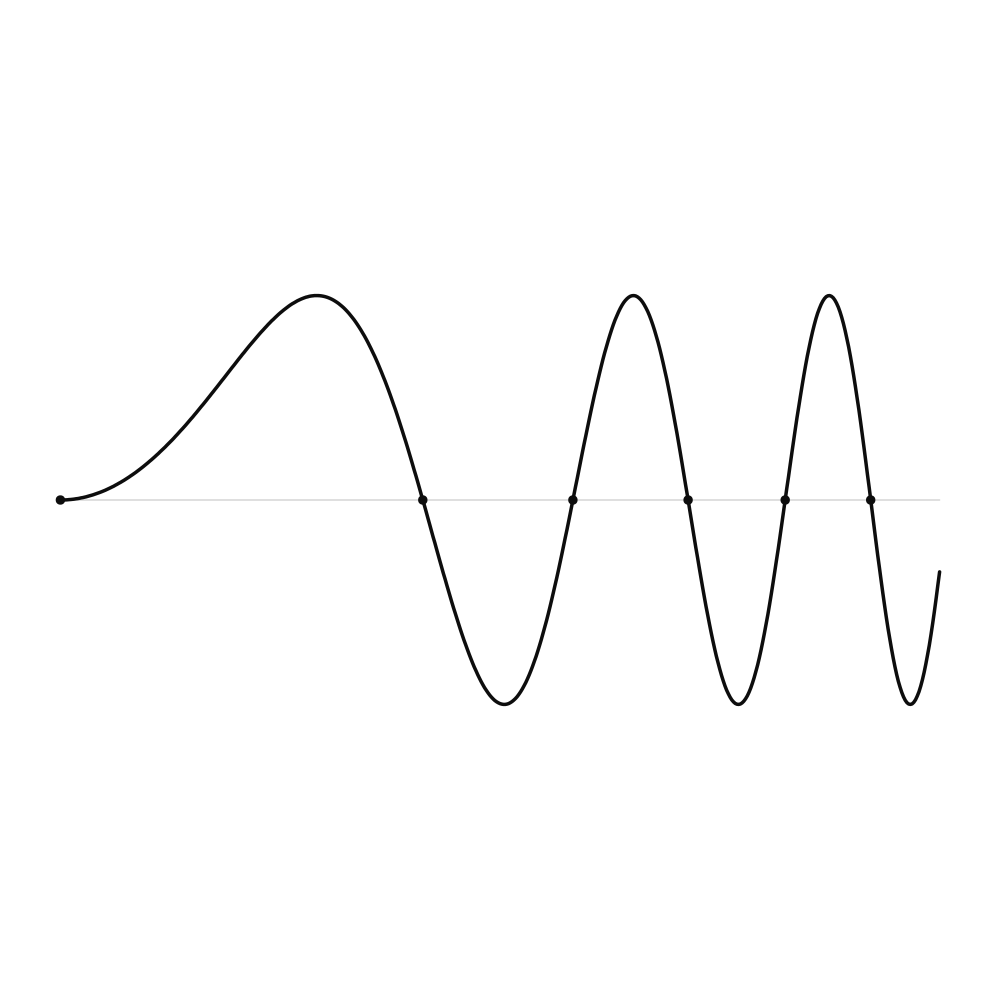 sin(x^2)
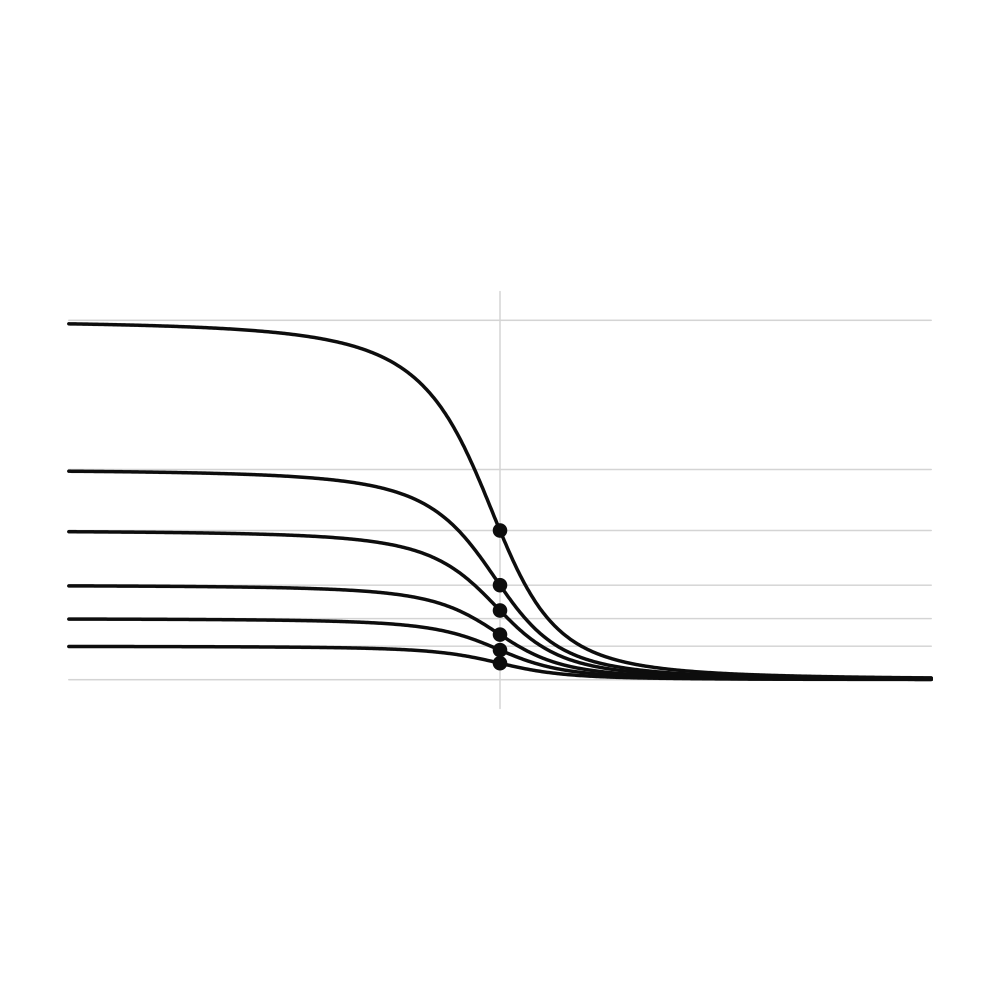 f'=fc/(c-v)
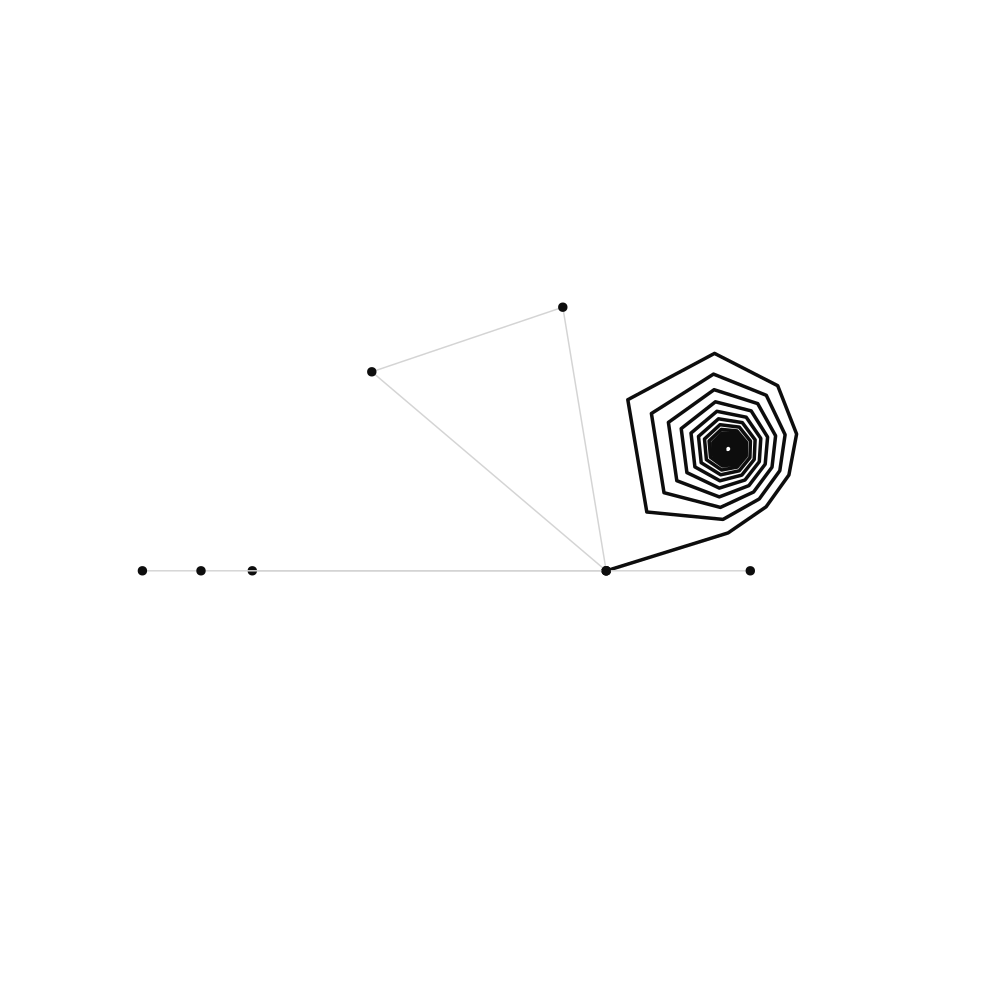 z->z^2+c
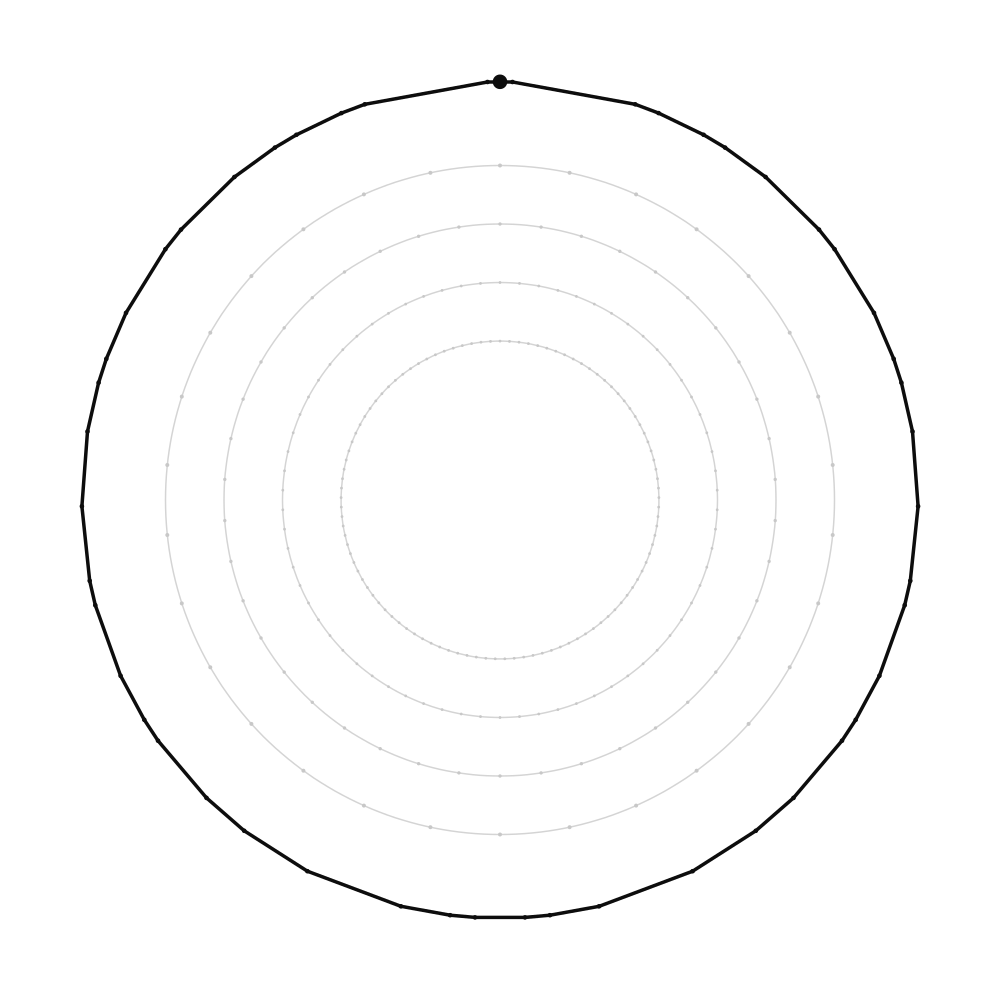 2,3,5,7,11,13
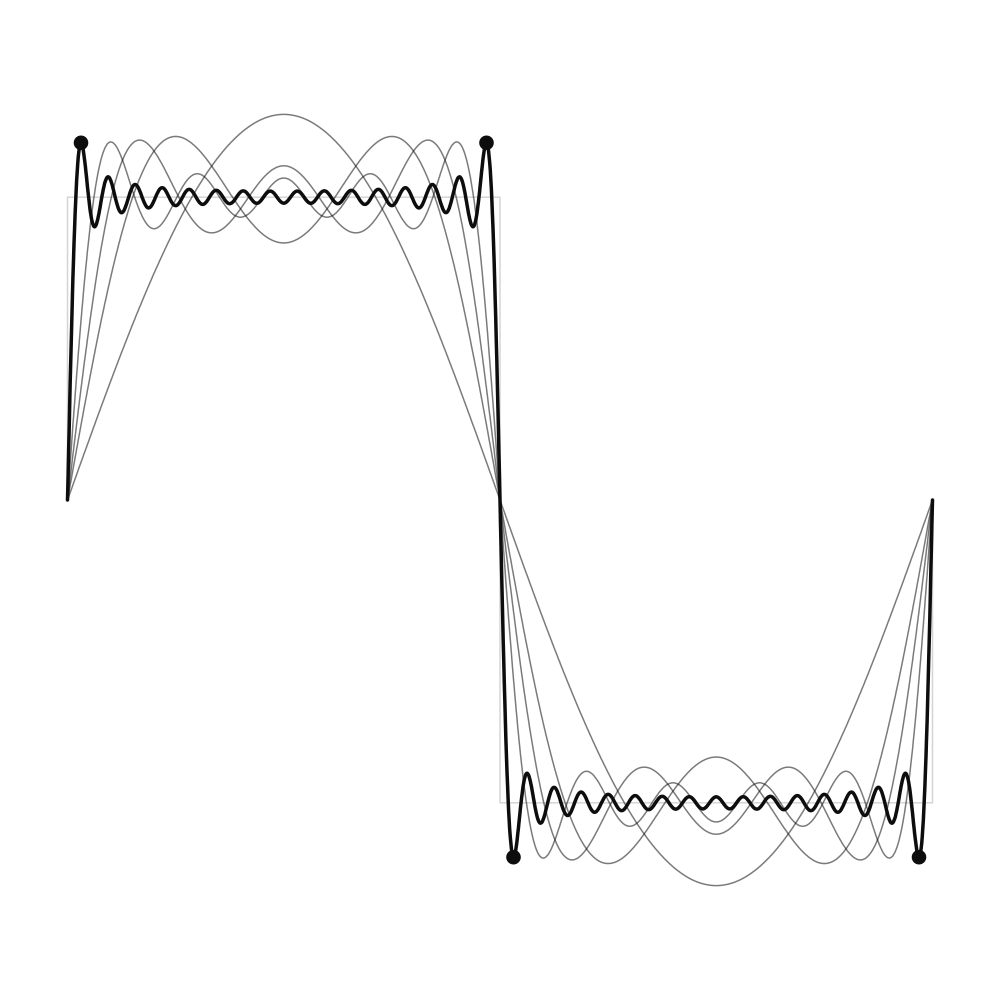 sin wt+sin(3wt)/3+...
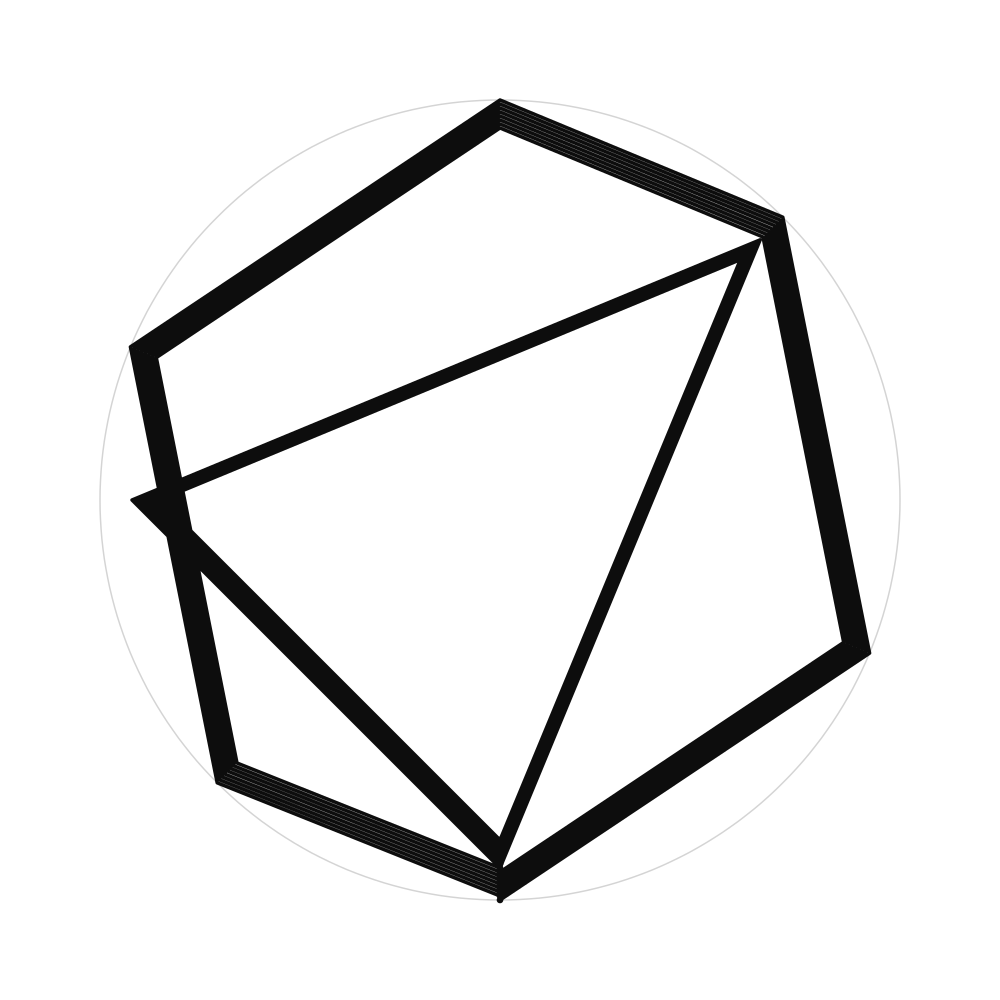 e^(ix)
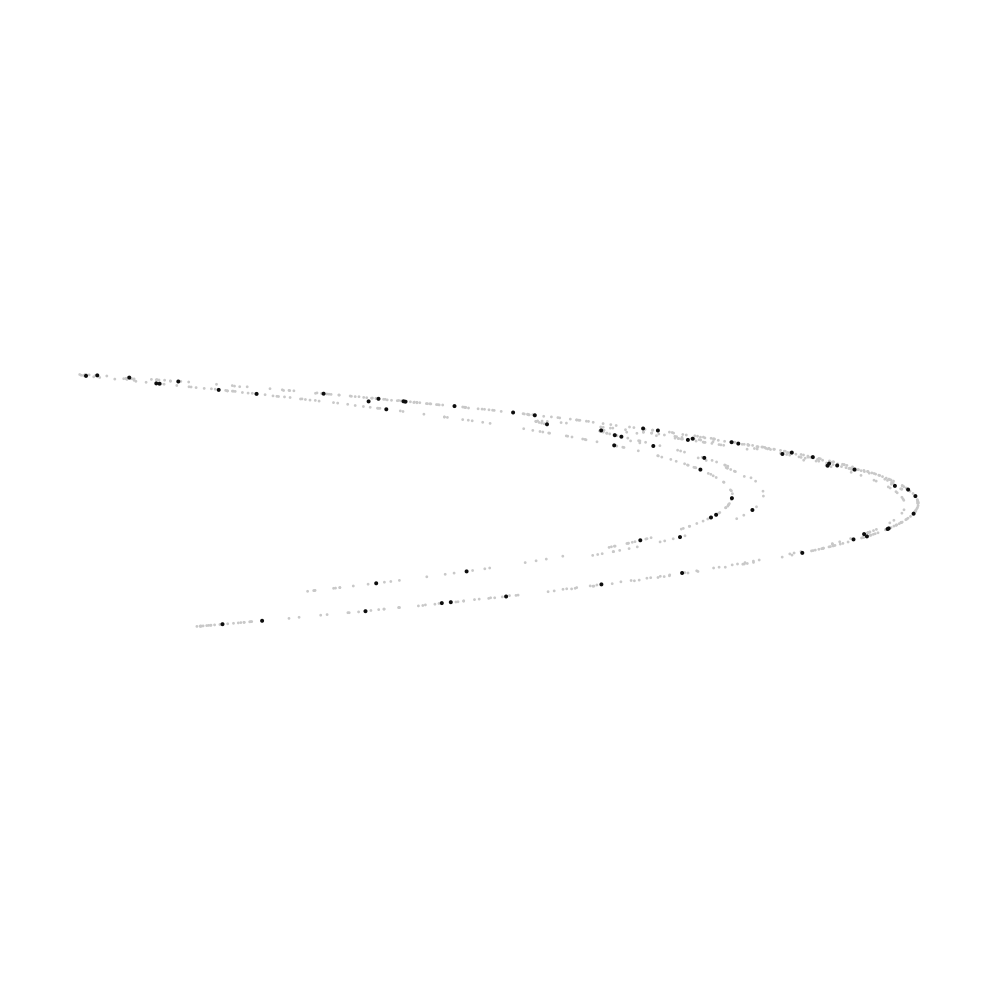 x->1-1.4x^2+y
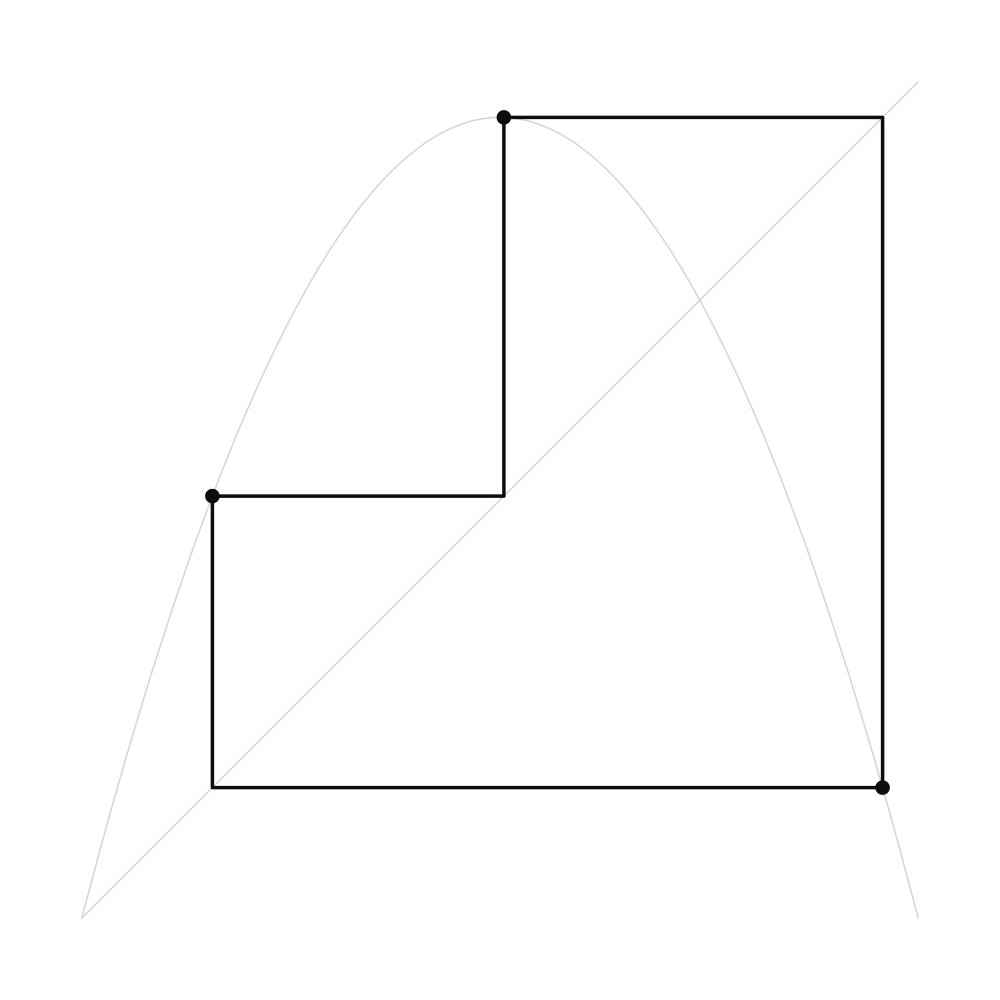 x->3.83x(1-x)
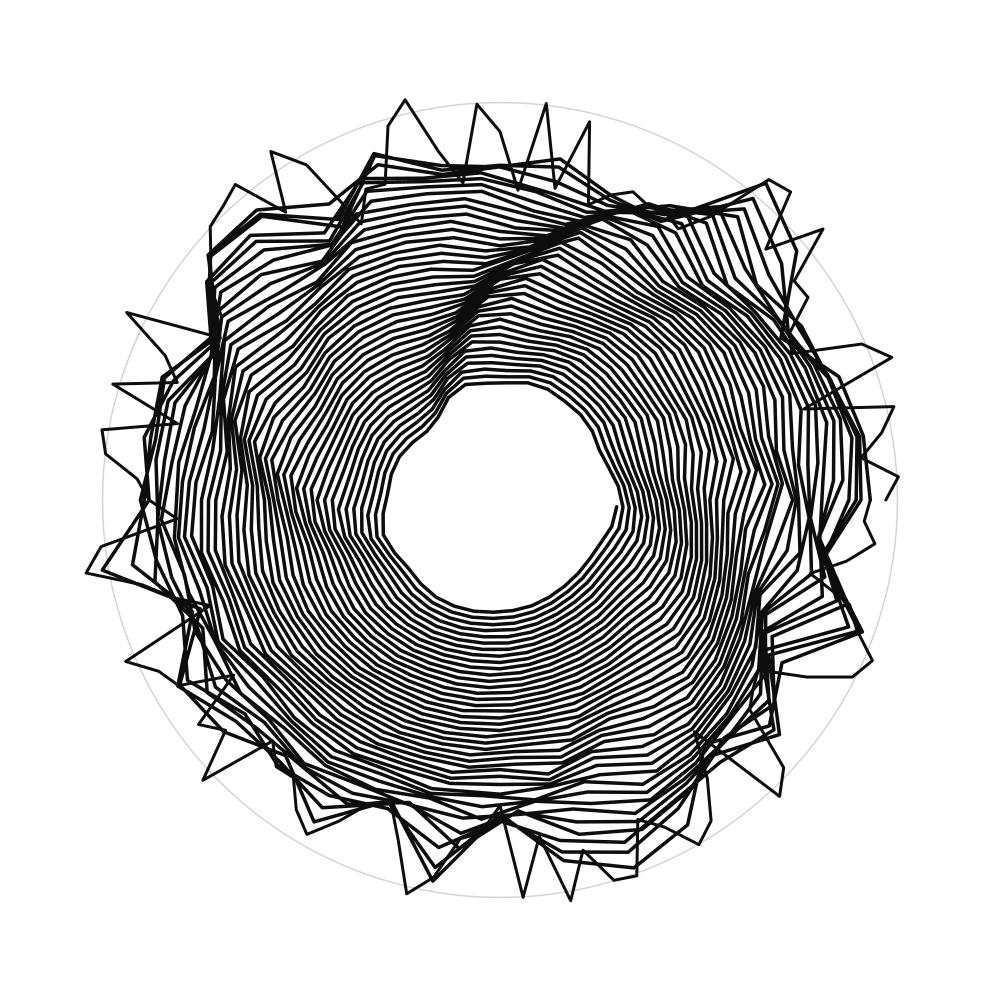 y(n)=avg y[n-N]
 rule 30
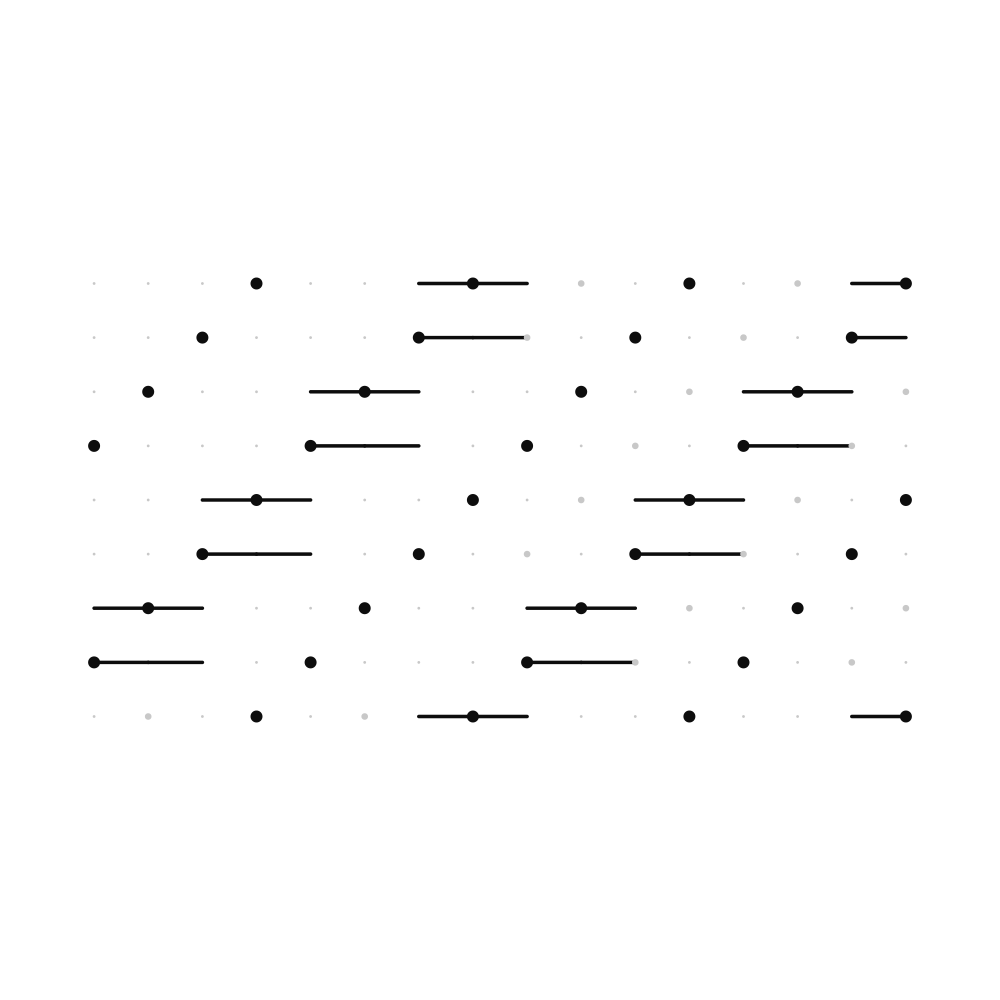 t^(t>>7)
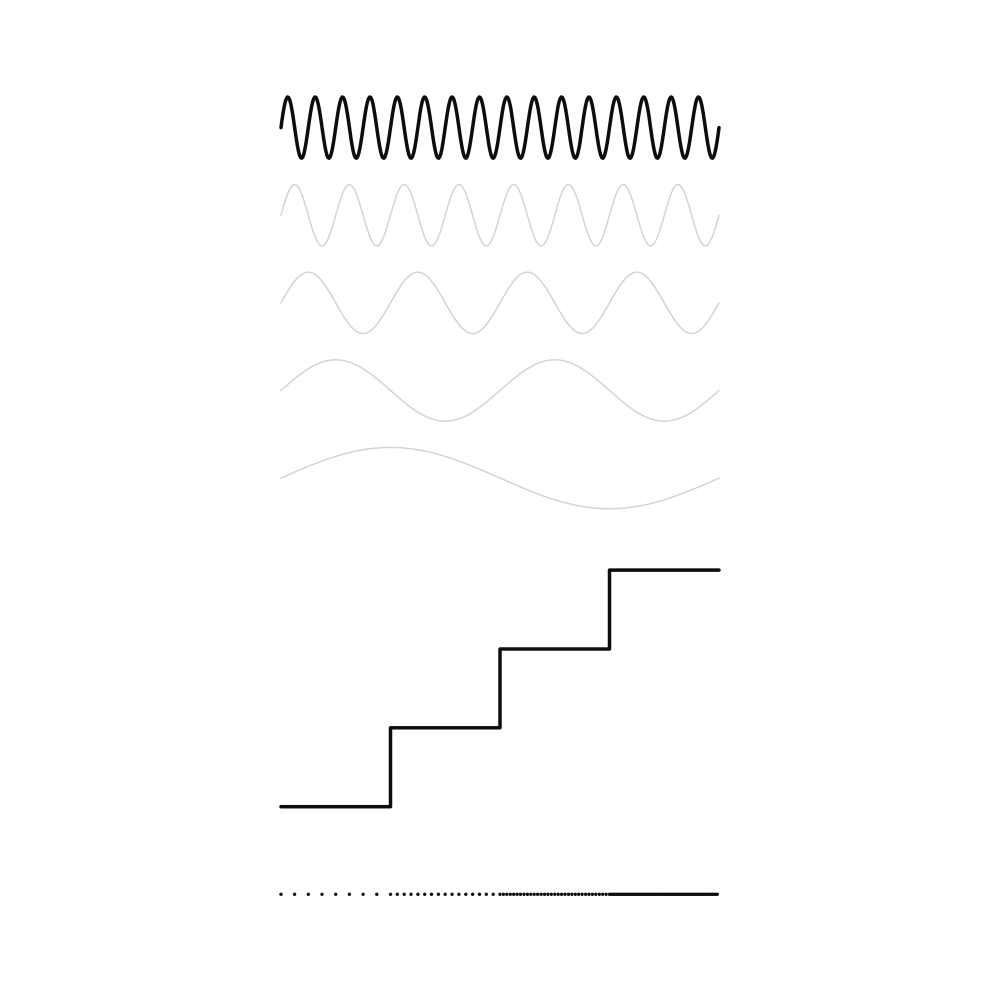 2^n
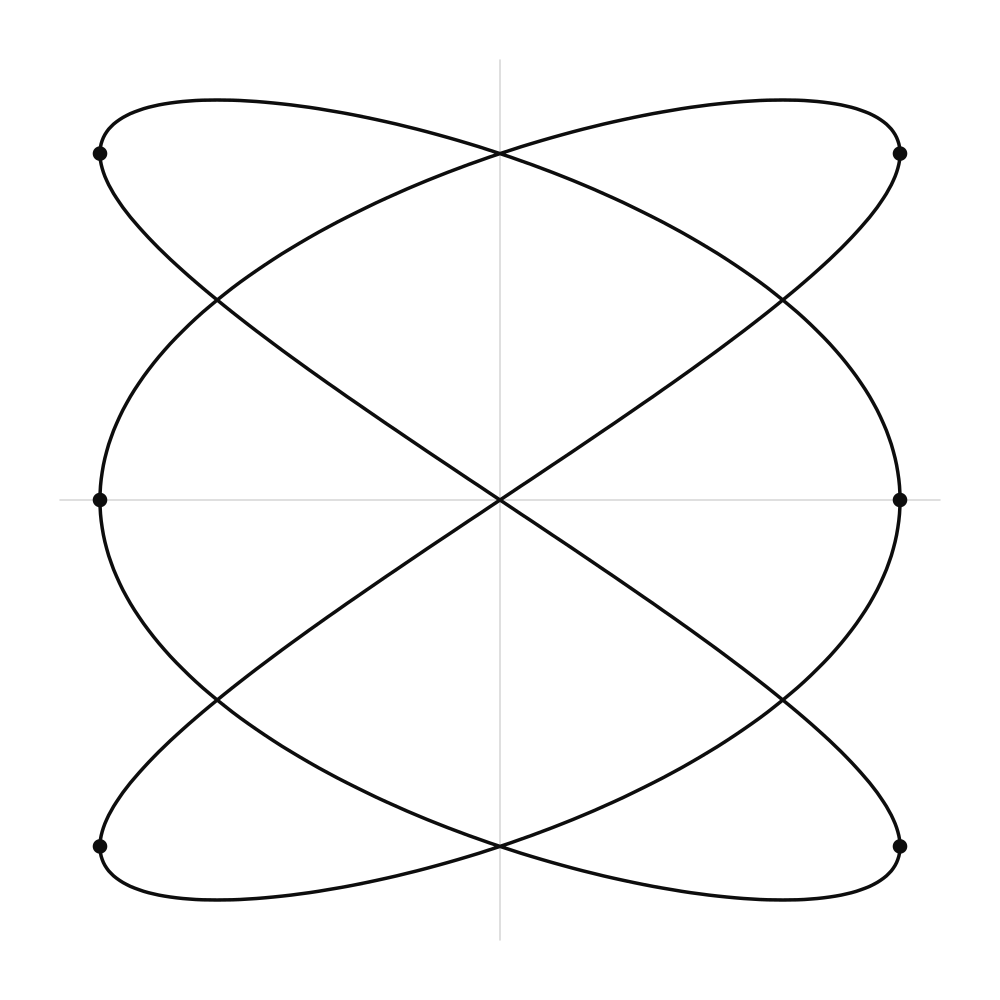 x=sin 3t,y=sin 2t
 t>>12
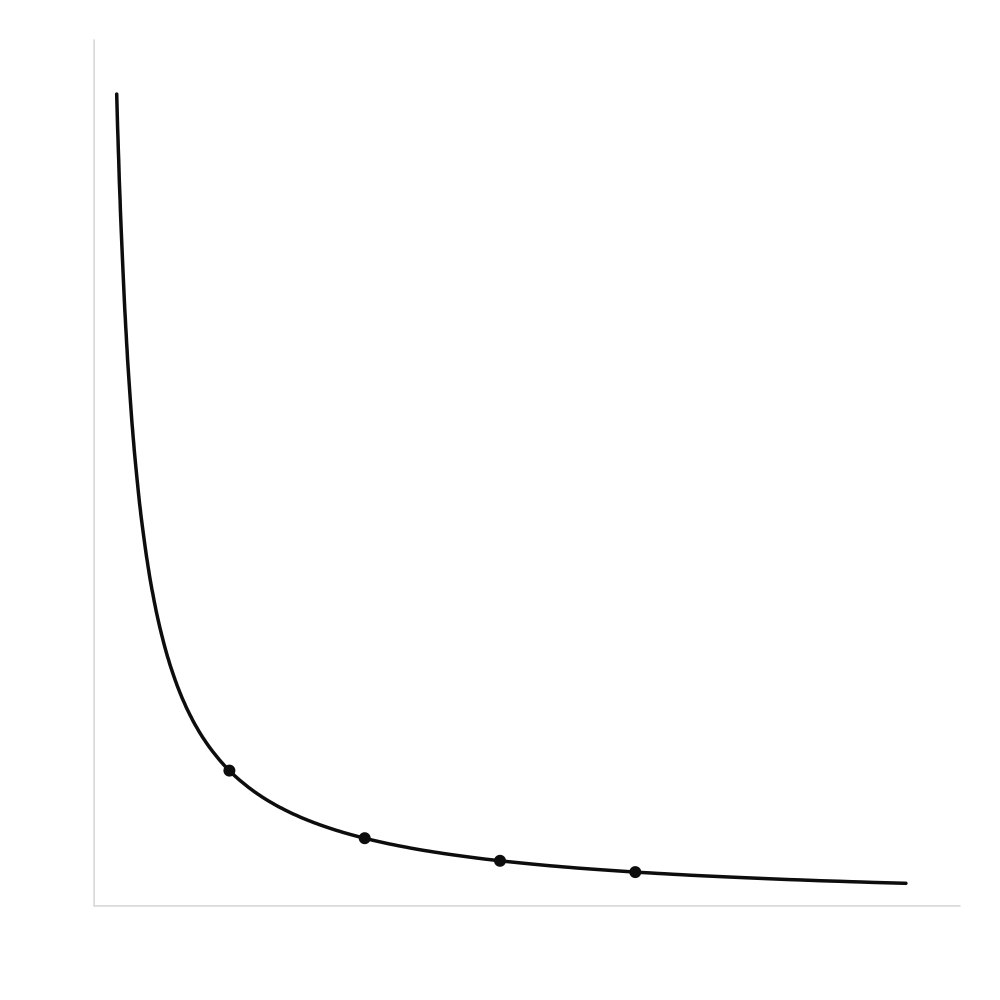 1/x
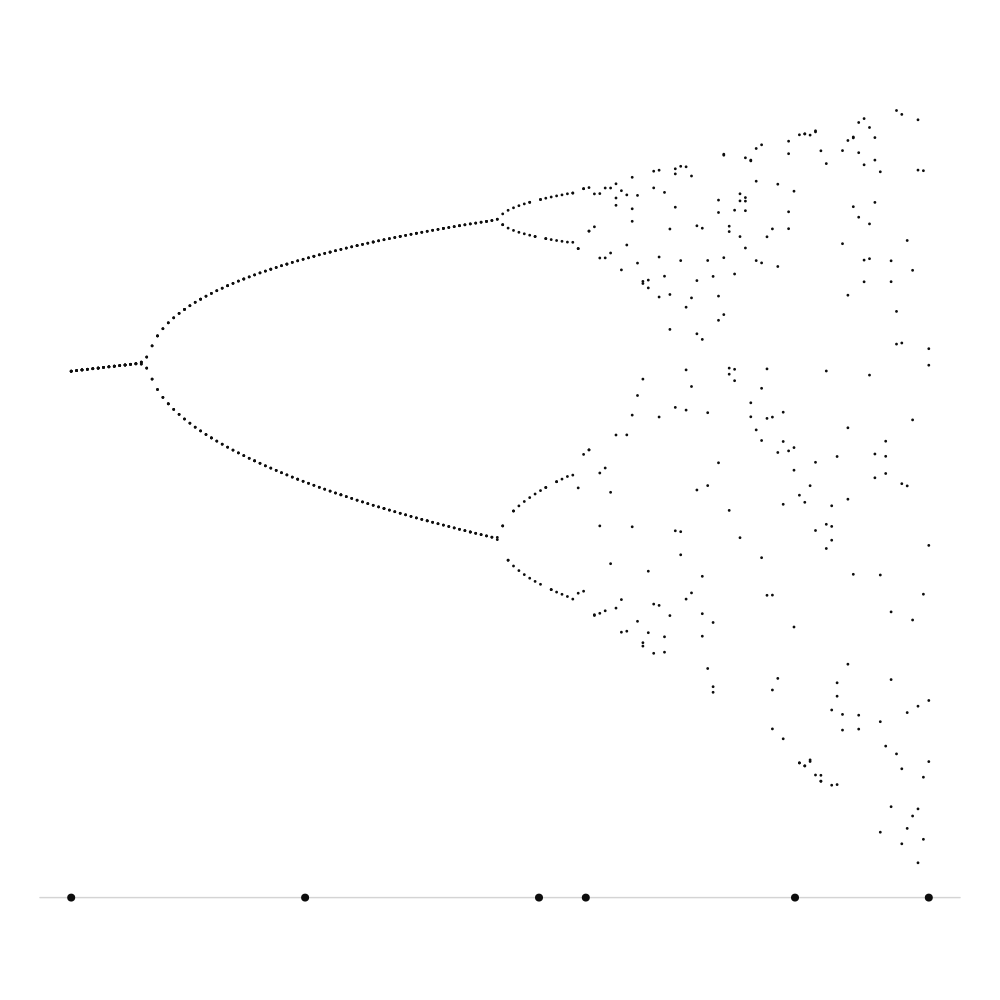 x->4x(1-x)
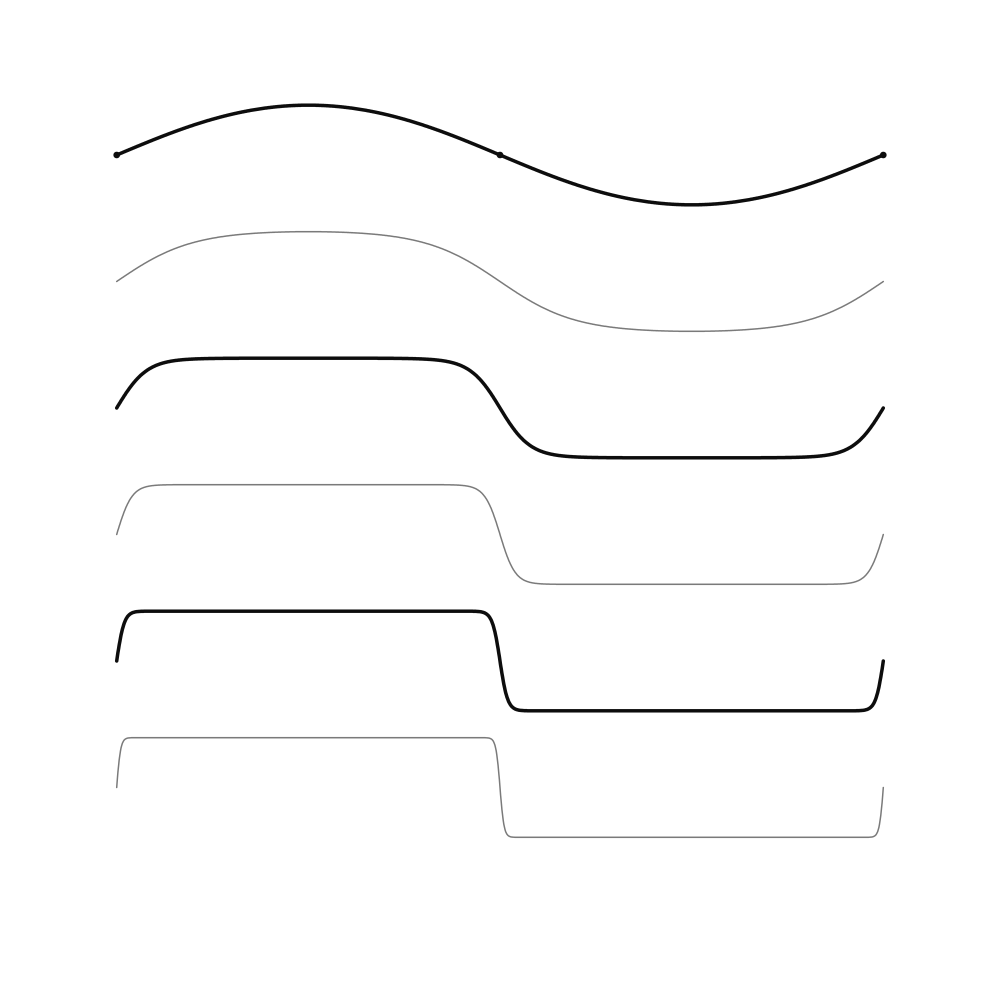 sin(2pi f t)
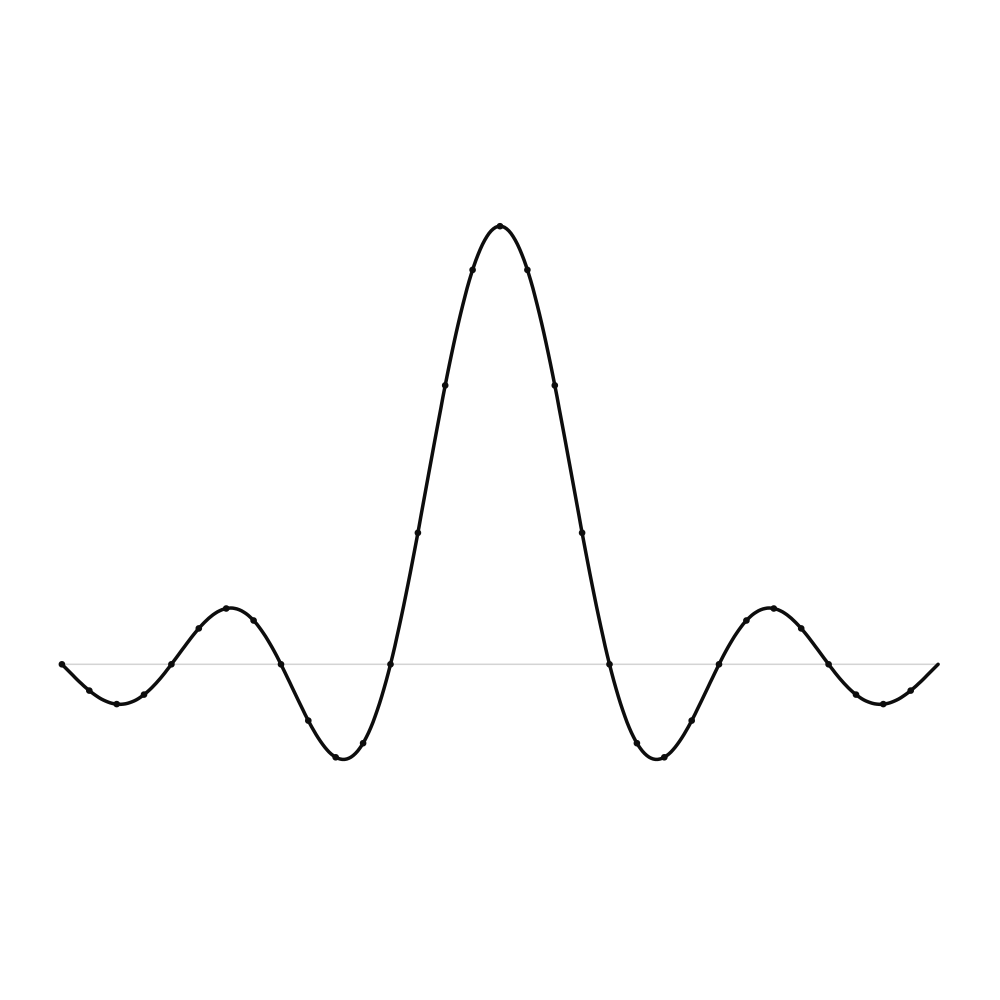 sin(x)/x
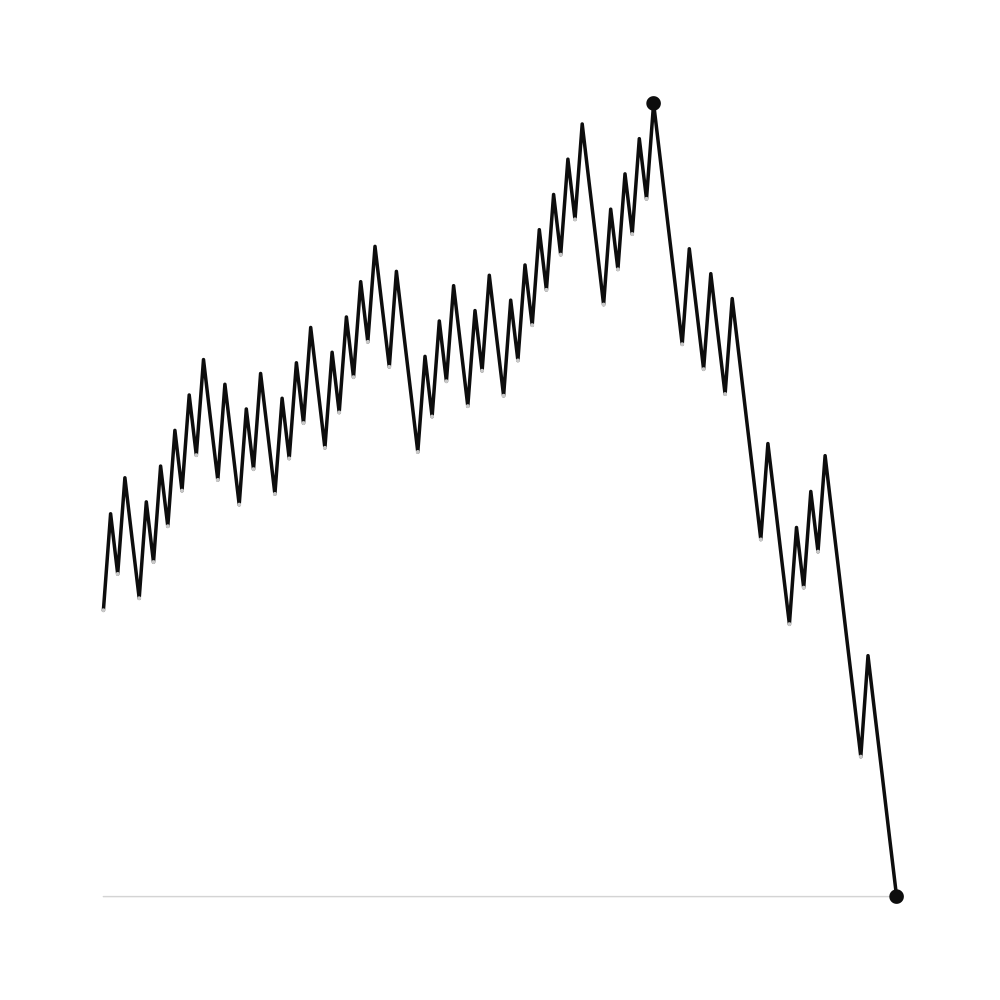 n->3n+1
The scores are public
All scores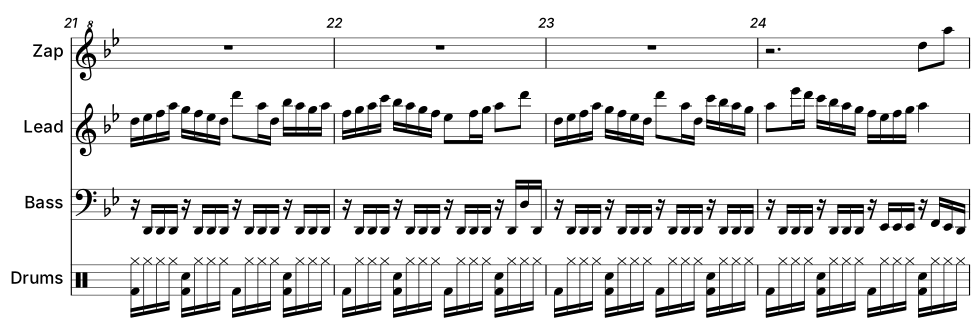
All 35 scores are here to read, in real notation, moving with the sound.
How it sounds like this
More about how it worksOne equation
Each track picks one equation and hands it the part you remember: a bass line, a rhythm, the way an echo falls.
Calculated, all of it
AI composes the track and writes the code. The code computes every sample, including the voices and the accordion.
A person listens
Naru Kijima listens and decides what stays. All 35 tracks here survived that.